
Choosing the right curtain material can dramatically change the look and feel of any room. The right fabric affects light control, insulation, energy efficiency, and privacy making your space more comfortable and stylish. Blackout and insulated curtain materials like polyester, triple weave and multi layer thermal fabrics are especially effective for bedrooms, living rooms, nurseries, and home theaters because they block light, trap heat or cool air, and can even reduce noise.
Below, you’ll find detailed reviews of five highly rated Amazon curtain options, along with tips to help you choose the best curtain material for every room in your home.
Our Top Picks
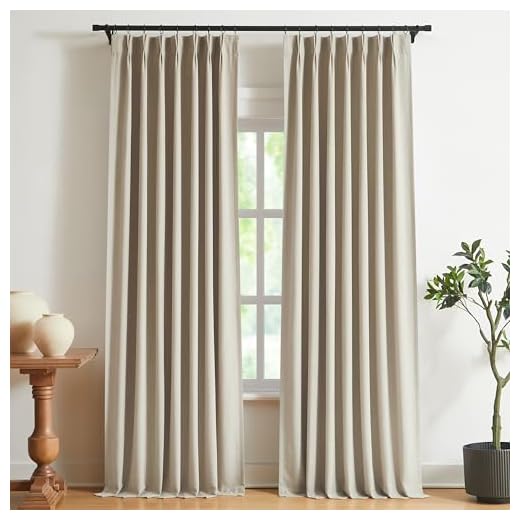


1. Vision Home Sand Pinch Pleated Full Blackout Curtains
These blackout curtains combine light blocking performance with thermal insulation to control temperature and reduce glare. While specific material details aren’t published by Amazon, they feature a dense weave and insulating backing that makes them great for light control in bedrooms, media rooms, or offices.
Best for: Bedrooms, home theaters, rooms with strong sunlight
Pros:
-
Effective blackout material
-
Helps keep room temperature stable
-
Works for privacy and sleep quality
Cons: -
Slightly heavier fabric may require sturdy hardware
Material insights: Blackout fabrics typically use polyester or polyester blends with dense weaving or foam backing to block light and offer insulation.
2. Estelar Textiler Blackout Darkening Insulated Curtains Review
The Estelar Textiler curtains are 100% blackout with a thermal-insulated backing that blocks sunlight, UV rays, and reduces external noise. Their ombre style adds a decorative touch while still offering practical energy efficiency. Users report balanced temperature control, making them suitable in colder or hotter climates.
Best for: Living rooms, bedrooms, large windows
Pros:
-
Full blackout effect
-
Helps lower energy usage
-
Stylish ombre design
Cons: -
Thick fabric can be heavier to hang
Material insights: Curtains with blackout fabric and a thermal backing are excellent for improving energy efficiency, reducing heat transfer through windows.
3. RYB Home Blackout Room Divider Curtain
These RYB HOME panels use detense layered materials for both blackout and some sound-reducing properties. While not true laboratory-grade soundproofing, heavier materials like triple-weave and weightier polyester help absorb noise better than standard curtains.
Best for: Rooms needing privacy + light control
Pros:
-
Triple-weave blackout fabric
-
Reduces light and some outside noise
-
Good for bedrooms or shared spaces
Cons: -
Not fully soundproof (but better than thin curtains)
Material insights: Heavy curtain materials like polyester and dense weaves are ideal for both blackout performance and light noise reduction.
4. Tyrot Black Boho Floral 100% Blackout Curtains
If style matters to you, these botanical-printed blackout curtains combine decorative appeal with functional insulation. The blackout and thermal layers help block light and maintain room temperatures without compromising on design.
Best for: Living rooms, kids’ rooms, stylistic interiors
Pros:
-
Attractive printed design
-
Functional blackout and insulation
Cons: -
Pattern may not match all décor styles
Material insights: Printed blackout fabrics are often polyester-based with additional linings to enhance light control and insulation.
5. RYB HOME Blackout Curtains Insulated Review
Another strong entry from RYB HOME, these polyester blackout curtains balance light control, privacy, and thermal performance. Polyester’s dense weave helps reduce heat transfer while blocking up to nearly all external light.
Best for: Bedrooms, living rooms, multi-purpose rooms
Pros:
-
Polyester fabric for durability
-
Good insulation qualities
-
Classic blackout performance
Cons: -
May feel slightly heavier than thin drapes
Material insights: Polyester and polyester blends are among the most popular blackout fabrics because they’re durable, easy to clean, and effective at blocking light.
Curtain Materials Guide: What to Know Before You Buy
Choosing the best curtain materials for every room goes far beyond color and design. The fabric you select directly affects how much light enters a room, how well heat is controlled, how much outside noise is reduced, and how private your space feels. Many buyers focus only on appearance and overlook material performance, which often leads to discomfort, higher energy bills, and curtains that fail to meet the real needs of a room. Understanding how different curtain materials work will help you choose options that not only look good but also improve everyday living.
Blackout Curtain Materials and Why They Matter
Blackout curtain materials are specifically designed to block external light. These fabrics are usually made from tightly woven polyester or polyester blends and often include a special backing or triple-weave construction. This structure prevents sunlight from passing through the fabric, making blackout curtains the best choice for bedrooms, nurseries, and home theaters. In addition to darkening a room, blackout materials also protect furniture and flooring from fading caused by UV rays. Because they are thicker and denser than standard fabrics, blackout curtains naturally improve privacy and contribute to better sleep quality, especially in rooms exposed to streetlights or early morning sun.
Thermal and Insulated Curtain Materials for Temperature Control
Thermal and insulated curtain materials are designed to regulate indoor temperature by slowing heat transfer through windows. These fabrics usually feature multiple layers or a thermal lining that traps air, acting as a barrier between indoor and outdoor temperatures. During winter, insulated curtains help retain warmth, while in summer they reduce heat penetration, keeping rooms cooler. This makes them especially valuable in living rooms, bedrooms, and homes with large or drafty windows. Over time, thermal curtain materials can significantly reduce energy consumption by easing the workload on heating and cooling systems, which makes them both a comfort upgrade and a cost-saving choice.
Sound-Reducing Curtain Materials for Quieter Rooms
Although curtains cannot fully soundproof a space, the right materials can noticeably reduce outside noise and echo. Heavier fabrics such as velvet, suede, and dense polyester blends are particularly effective because their thickness absorbs sound waves rather than allowing them to bounce freely around a room. Multi-layer blackout and insulated curtains also contribute to noise reduction, which is why they are popular in apartments, home offices, and bedrooms near busy streets. These materials help create calmer indoor environments, making them ideal for people who work from home, light sleepers, or anyone seeking a quieter living space.
Light-Filtering Materials for Bright and Airy Spaces
Light-filtering curtain materials are intended to soften sunlight instead of blocking it completely. Fabrics such as linen, cotton, voile, and lightweight polyester blends allow natural light to pass through while reducing glare and providing daytime privacy. These materials are well-suited for living rooms, dining areas, and kitchens where brightness and openness are desirable. Light-filtering curtains create a warm and inviting atmosphere, making rooms feel larger and more welcoming. However, because they offer limited insulation and minimal nighttime privacy, they are often paired with heavier drapes or liners when used in multi-purpose spaces.
Natural Fabric Curtains and Their Decorative Appeal
Natural curtain materials such as cotton, linen, silk, and wool are valued primarily for their texture, elegance, and breathable qualities. Linen creates a relaxed, modern look, while silk adds luxury and softness to formal rooms. Cotton is versatile and widely used due to its affordability and pleasant appearance. While natural fabrics enhance interior style, they generally provide weaker light blocking and insulation unless combined with additional linings. They are best suited for decorative living areas and guest rooms where visual appeal is the main priority. With proper care and lining, natural fabrics can be both functional and beautiful.
Synthetic Curtain Materials for Everyday Performance
Synthetic fabrics, particularly polyester and microfiber, dominate the modern curtain market because of their durability and performance. These materials resist shrinking, fading, and wrinkling better than many natural fibers. Polyester curtains are also highly adaptable, as they can be engineered to provide blackout, thermal insulation, or light-filtering properties. This versatility makes synthetic fabrics an excellent choice for bedrooms, children’s rooms, rental homes, and high-humidity areas. For homeowners seeking long-lasting curtains that are easy to clean and capable of meeting functional needs, synthetic materials are often the most practical option.
Choosing the Best Curtain Materials for Each Room
Every room serves a different purpose, and curtain materials should reflect those differences. Bedrooms benefit most from blackout and insulated fabrics that promote restful sleep and privacy. Living rooms require a balance of insulation and aesthetics, making lined linen, thermal polyester, or layered curtains ideal. Kitchens and dining spaces work better with light-filtering materials that allow daylight while maintaining airflow. Home offices and media rooms perform best with dense blackout and sound-reducing materials that minimize glare and distractions. By matching material performance to room function, you ensure both comfort and long-term satisfaction.
Final Thoughts on Curtain Materials
The best curtain materials for every room are those that support how the space is actually used. While design sets the mood, material determines performance. Blackout and insulated fabrics provide control and efficiency, natural materials add elegance, and synthetic blends deliver durability and flexibility. Understanding these differences allows you to choose curtains that not only enhance décor but also improve comfort, privacy, and energy efficiency throughout your home.
