
During summer, windows are one of the biggest sources of indoor heat. Sunlight passing through glass can quickly raise room temperature, forcing air conditioners to work harder and increasing energy costs.
Cooling curtains, especially those made with thermal or blackout materials, are designed to reduce heat transfer, block sunlight, and improve indoor comfort. They work by insulating the window area and limiting the amount of solar heat entering the room.
We review five effective cooling curtain types and explain what features to look for when choosing the best cooling curtains for summer.
Quick Comparison of the Best Cooling Curtains
| Product Type | Best For | Key Feature | Light Control |
|---|---|---|---|
| Insulated blackout curtains | Maximum cooling | Thick thermal layers | Excellent blackout |
| Thermal insulated curtains | Balanced performance | Heat-reducing lining | High light reduction |
| Thermal blackout curtains | Energy efficiency | Thermal + blackout fabric | Very high darkness |
| Insulated blackout curtains (basic) | Budget cooling | Dense fabric construction | Excellent blackout |
| Light-blocking thermal curtains | Everyday summer use | Heat-reflective fabric | High light reduction |
Our Top Picks
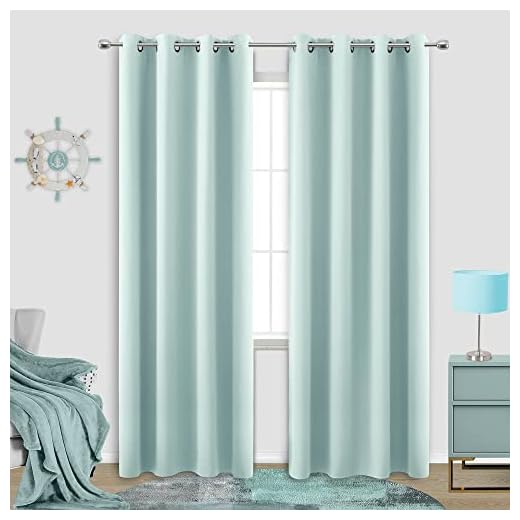
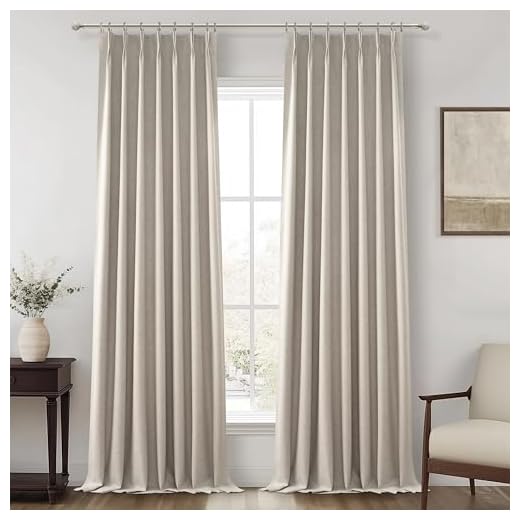
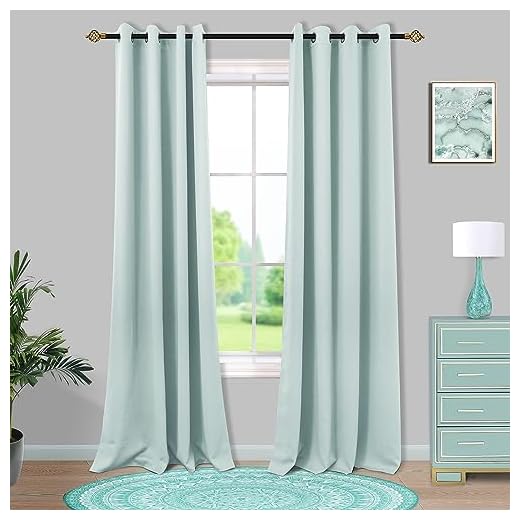
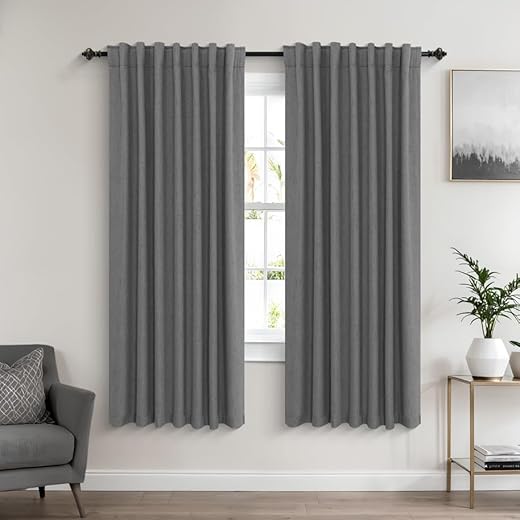
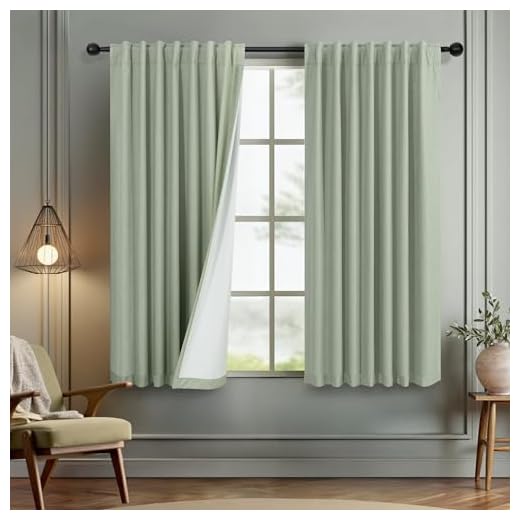
1. Insulated Blackout Curtains – Best Overall Cooling Curtains
Insulated blackout curtains are one of the most effective window treatments for summer heat control. They are constructed with multiple layers of dense fabric and insulating material that reduce the amount of heat entering through windows. When closed during peak daylight hours, these curtains can noticeably lower indoor temperatures and improve comfort.
Their blackout capability also blocks harsh sunlight and glare, making them suitable for bedrooms, living rooms, home offices, and any space exposed to strong sun. In addition to cooling benefits, these curtains help protect furniture, flooring, and décor from fading caused by prolonged sun exposure.
Key features
-
Multi-layer insulated construction
-
Strong blackout performance
-
Heat-blocking fabric
-
Suitable for large and small windows
Pros
-
Excellent cooling and heat reduction
-
Improves indoor comfort
-
Enhances privacy and light control
-
Helps reduce energy use
Cons
-
Heavier weight may require sturdy curtain rods
-
Darkens rooms significantly when closed
Recommended for: Rooms that receive strong direct sunlight and require maximum summer heat protection.
2. Thermal Insulated Curtains – Best Balance of Cooling and Appearance
Thermal insulated curtains are designed to limit heat transfer by creating a barrier between indoor air and the hot window surface. They usually contain a thermal lining that traps air, slowing down the movement of heat into the room. These curtains are effective for cooling while maintaining a softer appearance than thick blackout curtains.
They work well in living spaces where natural light is still desired but excessive heat is not. By closing them during the hottest parts of the day, homeowners can reduce heat buildup without making rooms completely dark.
Key features
-
Thermal lining for insulation
-
Light-reducing fabric
-
Softer look than heavy blackout curtains
Pros
-
Good balance of cooling and brightness
-
Enhances comfort without full darkness
-
Suitable for daily living spaces
Cons
-
Not as effective as heavy blackout curtains in extreme heat
Recommended for: Living rooms and dining areas where cooling is needed but full blackout is not.
3. Thermal Blackout Curtains – Best for Energy Savings
Thermal blackout curtains combine two important technologies: thermal insulation and light-blocking fabric. This combination provides strong protection against heat gain while also keeping rooms dark and private. The thick layers reduce heat penetration and help stabilize indoor temperatures throughout the day.
These curtains are especially effective in warm climates or rooms with extended sun exposure. By reducing the heat entering the home, they can ease the workload on air conditioning systems and support long-term energy savings.
Key features
-
Dual thermal and blackout layers
-
Dense heat-reducing fabric
-
High insulation performance
Pros
-
Excellent heat and light blocking
-
Supports lower cooling costs
-
Suitable for bedrooms and media rooms
Cons
-
May limit natural daylight more than desired
Recommended for: Homes focused on strong summer cooling and improved energy efficiency.
4. Insulated Blackout Curtains (Basic) – Best Budget Cooling Option
Basic insulated blackout curtains provide a cost-effective way to reduce summer heat. While they may not include advanced thermal coatings, their dense fabric construction still blocks a large amount of sunlight and helps slow heat transfer.
These curtains are widely used in apartments, dorm rooms, and family homes as an entry-level cooling solution. When properly sized and fully closed, they can significantly improve indoor comfort during hot afternoons.
Key features
-
Thick, tightly woven fabric
-
Blackout performance
-
Simple and practical design
Pros
-
Affordable cooling solution
-
Easy to install and maintain
-
Good improvement in comfort
Cons
-
Lower insulation compared to premium thermal curtains
Recommended for: Budget-conscious homeowners who still want noticeable summer cooling benefits.
5. Light-Blocking Thermal Curtains – Best for Everyday Summer Comfort
Light-blocking thermal curtains are designed for people who want cooling support without completely darkening their rooms. These curtains use heat-reducing fabrics that reflect and absorb sunlight while still allowing limited daylight to pass through.
They are well suited for kitchens, family rooms, and home offices where brightness is useful but heat needs to be controlled. Their lighter construction also makes them easier to handle and wash regularly.
Key features
-
Heat-reducing fabric
-
Light-blocking design
-
Moderate insulation
Pros
-
Comfortable balance of light and cooling
-
Suitable for daily use
-
Helps stabilize room temperature
Cons
-
Less effective than full blackout curtains
Recommended for: Rooms that need cooling support while remaining naturally lit.
How to Choose the Best Cooling Curtains for Summer
Measure Your Windows Carefully
Correct sizing is essential. Curtains should extend beyond the window frame on all sides to reduce heat leakage. Wider and longer curtains create a better seal and improve cooling performance.
Choose the Right Fabric and Thickness
Cooling curtains vary in performance depending on construction:
-
Thermal curtains slow down heat transfer.
-
Blackout curtains block sunlight and reduce solar heat gain.
-
Thermal blackout curtains offer the highest cooling effect.
Heavier, multi-layer curtains generally provide better summer heat protection.
Consider Color and Lining
Lighter-colored curtains with reflective linings can reduce heat absorption, while darker blackout fabrics block light more effectively. Both can be effective depending on your room’s sun exposure and lighting needs.
Match Curtains to Room Function
Bedrooms often benefit from blackout and thermal curtains. Living rooms and kitchens may be better suited to light-blocking thermal curtains that balance brightness with comfort.
Think About Maintenance
Curtains in sunny rooms are exposed to dust and heat. Choose materials that are machine washable and durable enough for frequent use.
Frequently Asked Questions
Do cooling curtains really lower room temperature?
Cooling curtains can significantly reduce heat entering through windows, which helps lower indoor temperatures and improves comfort, especially when used during peak sunlight hours.
Are blackout curtains better than thermal curtains for summer?
Blackout curtains block sunlight effectively, while thermal curtains focus on insulation. Curtains that combine both features provide the strongest cooling performance.
Can cooling curtains replace air conditioning?
Cooling curtains cannot replace air conditioning, but they can reduce heat gain, helping rooms stay cooler and reducing the workload on cooling systems.
When should cooling curtains be closed?
They are most effective when closed during the hottest parts of the day, usually late morning through afternoon.
Do cooling curtains work in winter too?
Yes. Thermal and insulated curtains can also help retain indoor heat in winter, making them useful year-round.
Final Verdict
The best cooling curtains for summer are those that combine thermal insulation, dense fabric, and effective light control. Insulated blackout and thermal blackout curtains offer the strongest cooling benefits, while light-blocking thermal curtains provide a more balanced everyday solution. Budget insulated curtains can still make a noticeable difference when properly sized and installed.
By selecting curtains that fit your windows, match your room’s function, and provide appropriate insulation, you can significantly improve comfort, reduce heat buildup, and create a cooler living environment throughout the summer.
